 TECH DEBT CLUB
Episodes
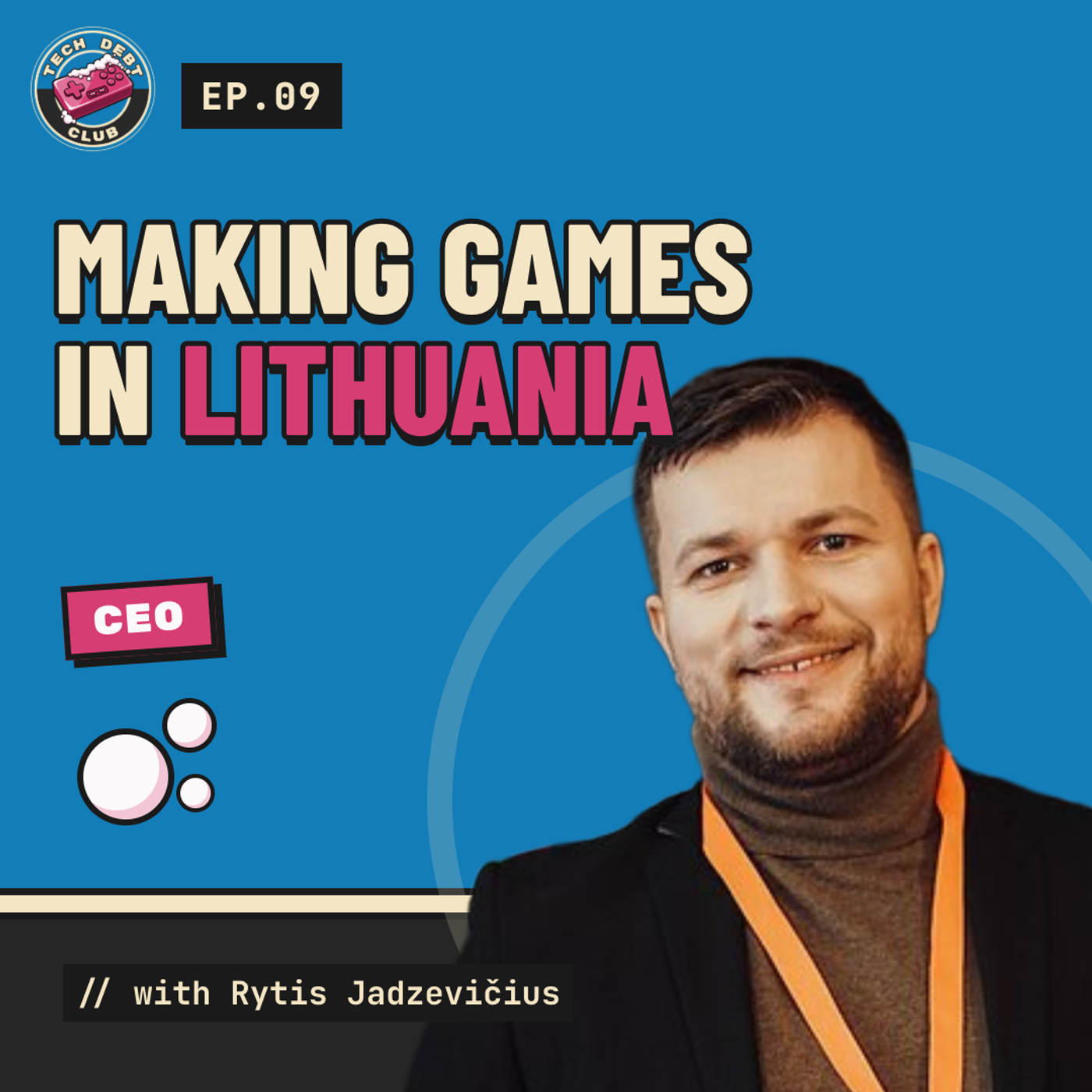
Rytis Jadzevičius came to games in 2019 from government work, commercials and digital marketing — not a programmer, but always surrounded by them. Seven years later his studio, Fluxo Games, has ten people, a submarine game still in early access, and Book Smugglers, a self-published game about Lithuania's 19th-century press ban that took three on-and-off years to finish.
 YouTube
 Spotify
 Apple Podcasts
 Amazon Music
Mike Geig joined Unity thirteen years ago as a screencaster and is now a principal developer advocate — a job with no sales quota, no marketing targets, and a single KPI: how happy the community is. He'll have flown close to 100,000 miles this year to find out, and he calls himself a game developer first and a Unity employee second. So we brought him the arguments Unity developers actually have.
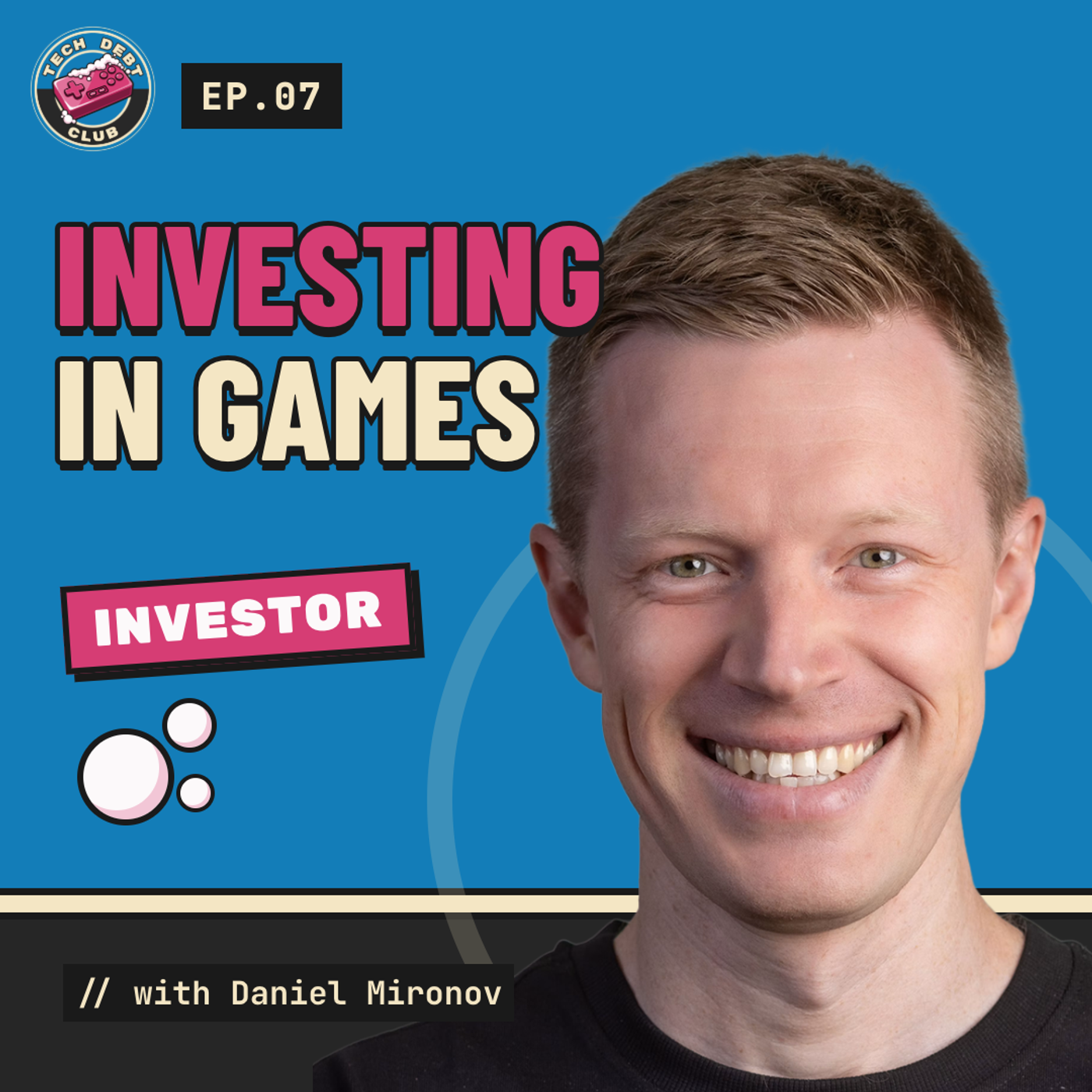
Daniel Mironov left Google to help start vgames in March 2020 — a games-only VC fund in a country with two dozen cybersecurity funds and none for games — roughly a month before the world locked down and mobile went vertical. Six years and nearly 50 investments later, he's a partner at the fund and has just launched a $10M Indie Fund that hands PC and console developers project financing without taking a single frame of their IP.
 Deezer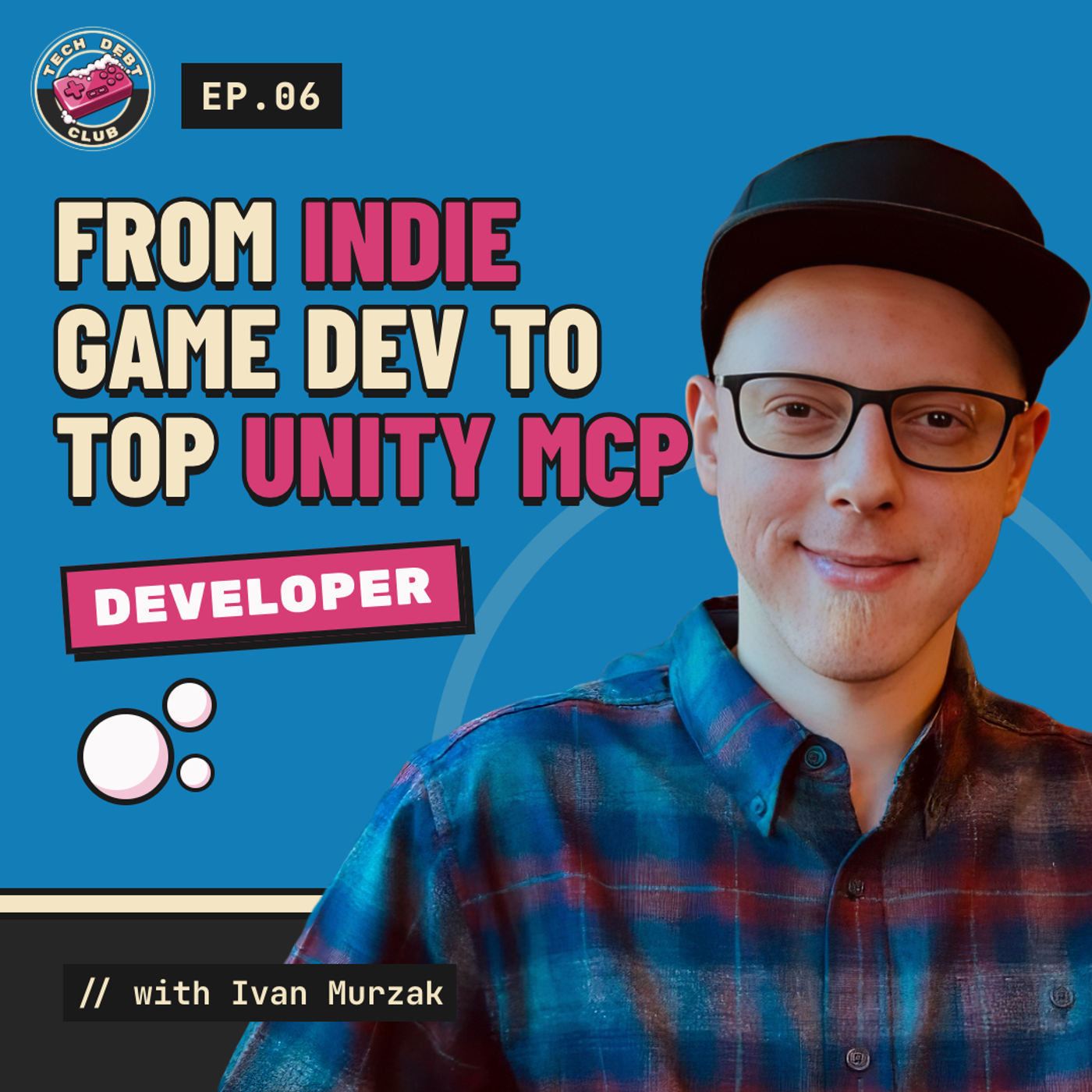
Ivan Murzak spent the early 2010s shipping Evil Cogs, a Limbo-style mobile platformer that hit 5 million downloads on Android by squeezing performance out of phones that had no business running it. A decade later, he's a Microsoft MVP maintaining what's become the most-downloaded open-source Unity MCP server - the one anyone trying to get Claude, Cursor, or Copilot to actually do useful work inside the Unity editor probably ends up using.
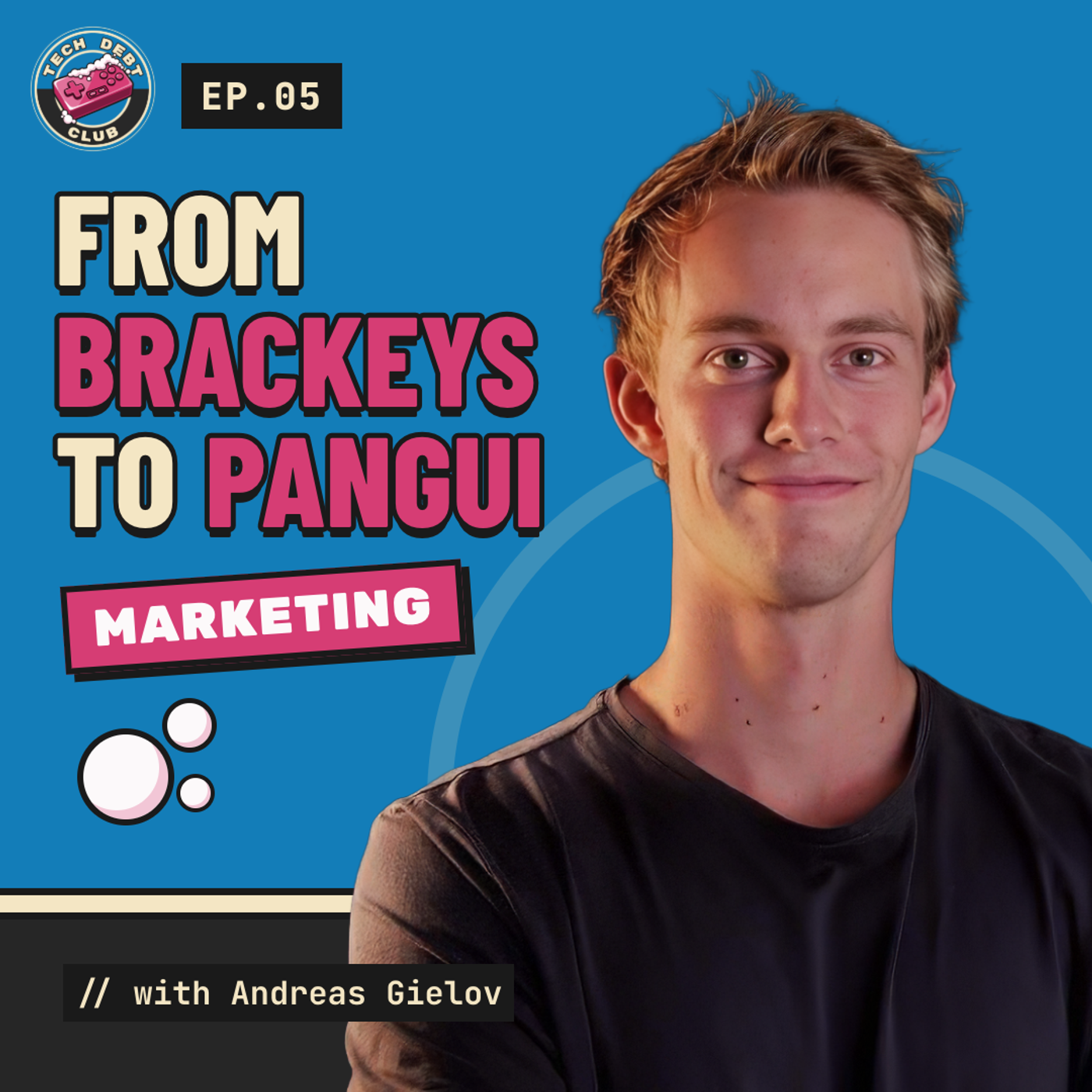
Andreas Gielov spent three years helping run Brackeys, one of the most influential Unity YouTube channels of all time. After Brackeys stopped producing Unity content, he went on to manage a string of game development YouTubers before joining Sirenix — the team behind Odin Inspector and the upcoming UI library Pangui — as VP of Marketing.
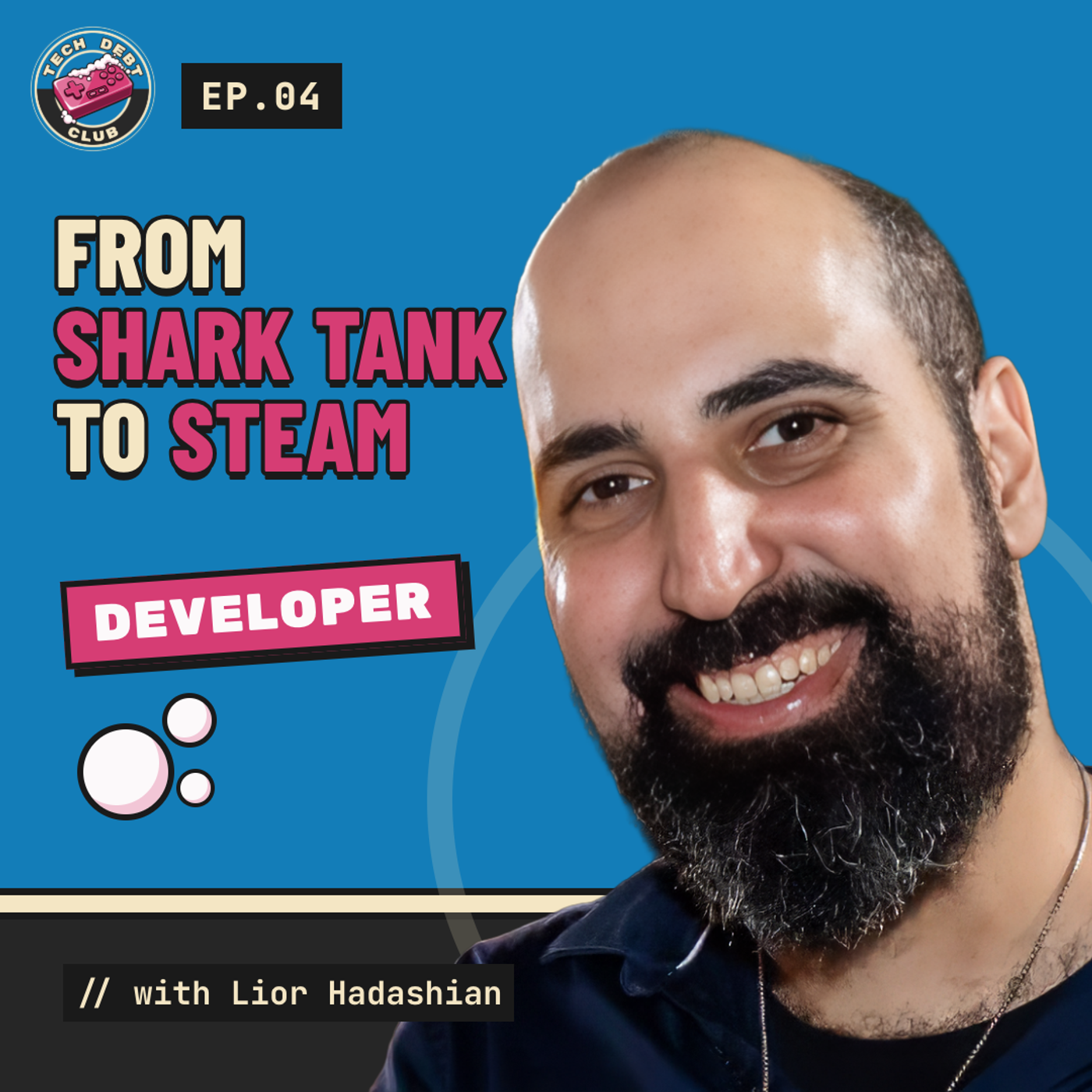
Lior Hadashian, co-founder and CTO of Gavra Games, joins Yuri and Amit to talk about building and shipping Warriors Rise to Glory — a turn-based gladiator fighting game inspired by a goofy Flash game from the internet's ugly years. What followed was five years of bootstrap chaos: a Bilibili influencer blowing up the game overnight, a Chinese localization done in one week, a main font that turned out to be stolen, two appearances on Israeli Shark Tank, and a mobile pivot that never happened.
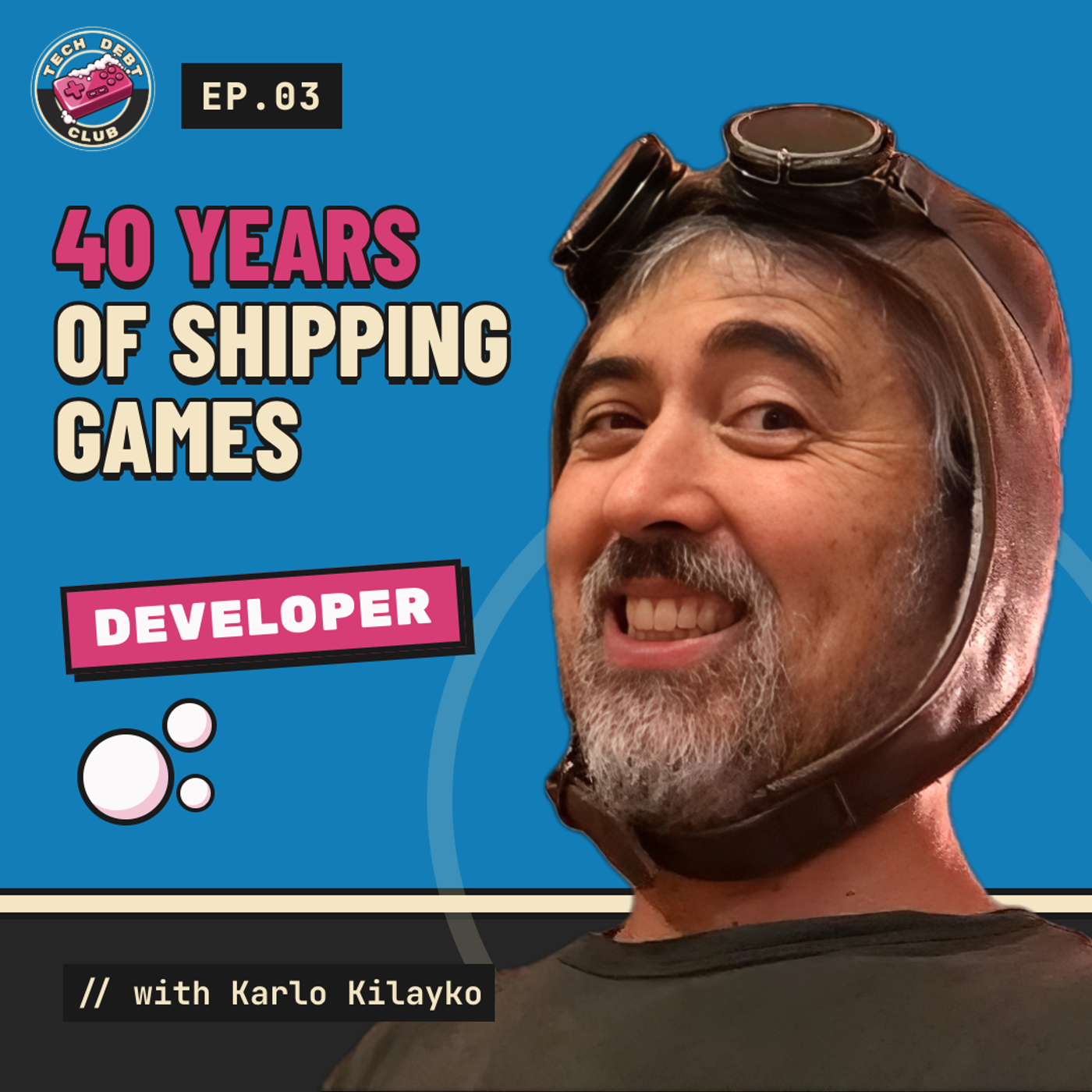
Karlo Kilayko has been making games since before most of us knew what a game engine was - literally. From programming a CD-ROM murder mystery in C with one reference book and no internet, to shipping 30 mobile games a year across 382 devices at THQ, to becoming one of Unity's earliest professional users, Karlo has lived through just about every era of this industry.
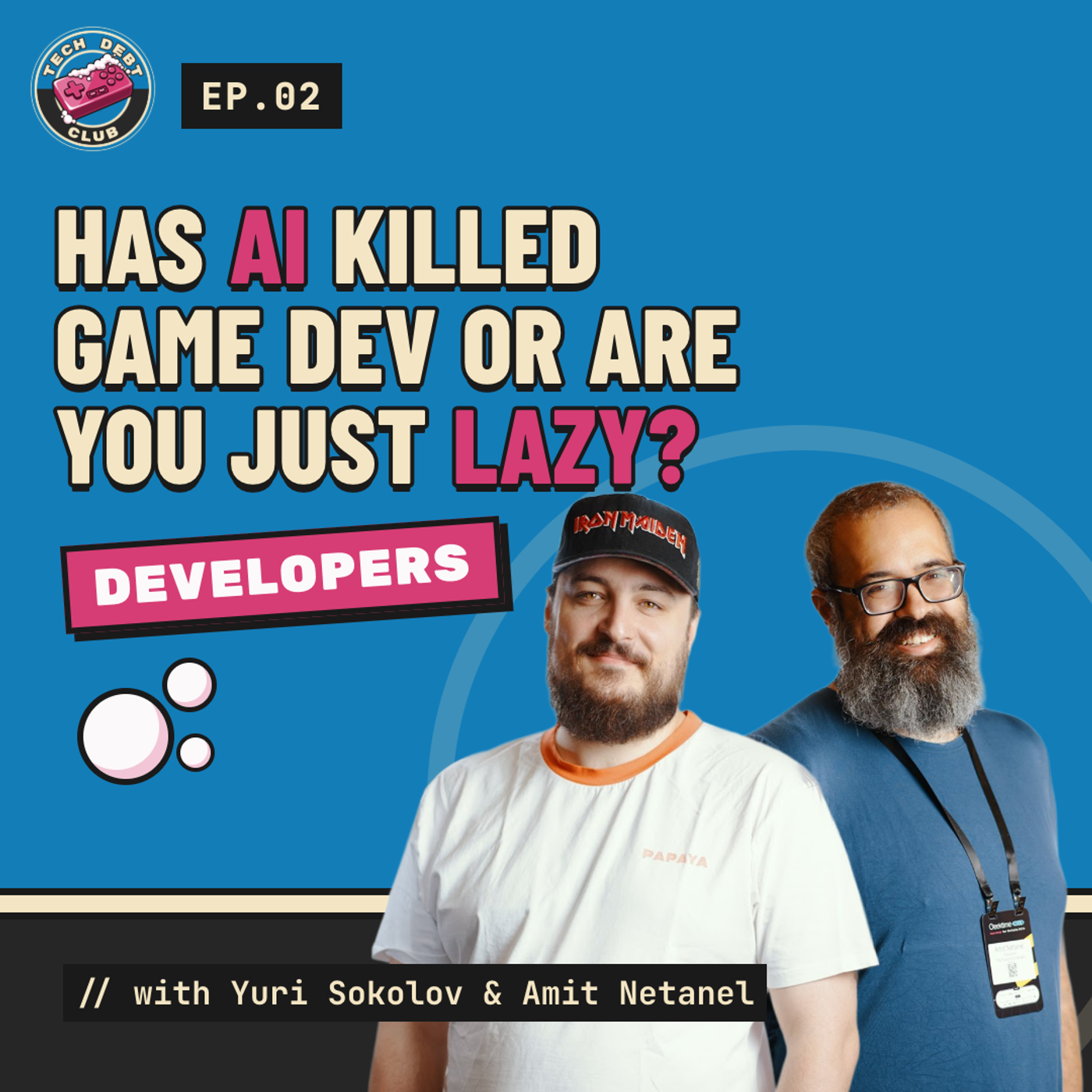
In this episode, Yuri Sokolov and Amit Netanel talk about what AI is actually changing in software and game development - and what it is not. They dig into the difference between productive and destructive AI workflows, why experience still matters when using LLMs, and why most developers and companies still struggle with architecture, tooling, and learning the right lessons at the right time.
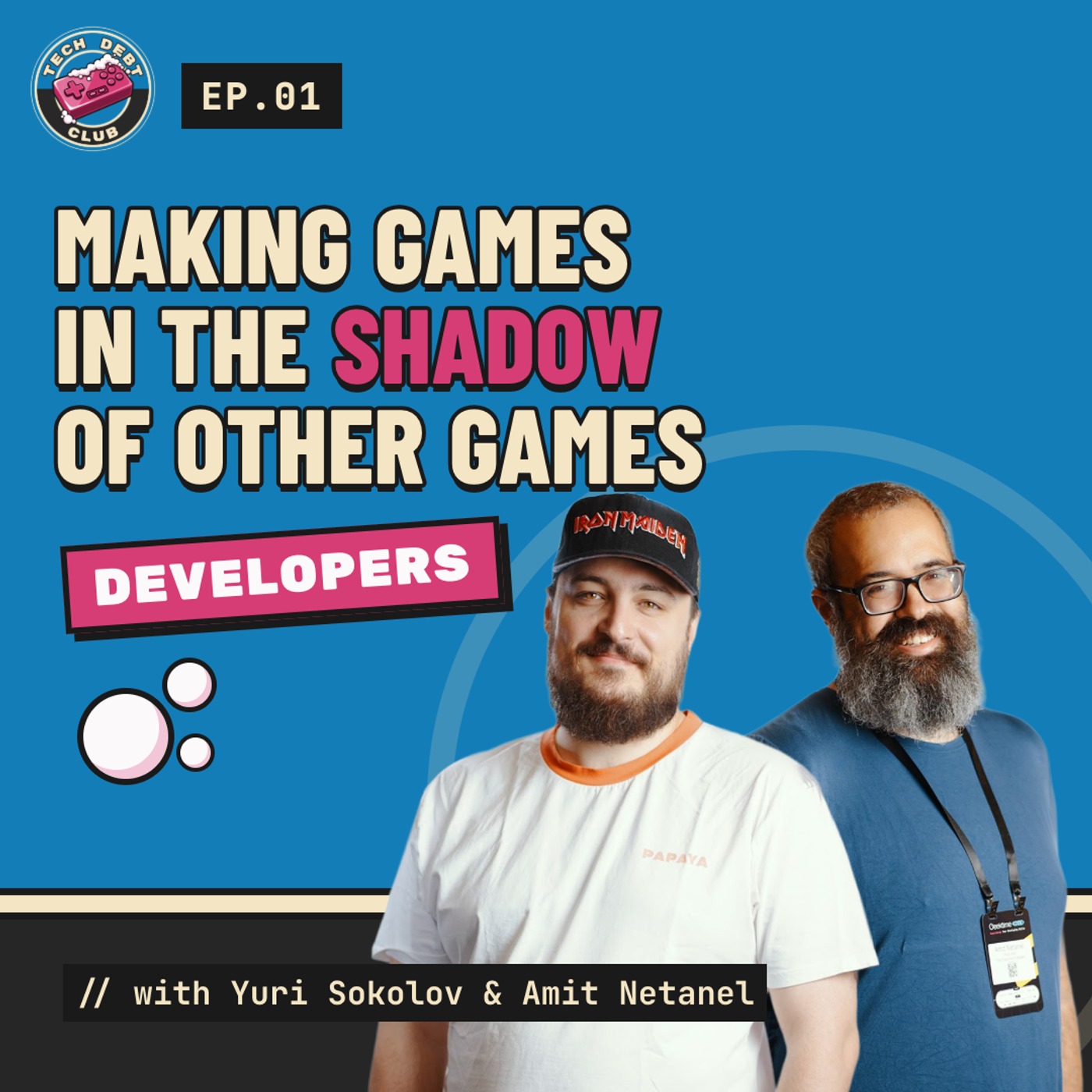
A discussion about gacha game development, game design, and how successful games influence new titles, with touches on storytelling, UX, technical challenges, analytics, player feedback, classic game preservation, and parental controls.